Embracing style with conscience
As we move into 2025, interior design is no longer just about how things look—it’s becoming deeply about how things live and how they last. Whether you’re refreshing a room or planning a full-home makeover, the design choices you make can reflect your values: care for the planet, wellness, and authenticity. Let’s explore the key trends shaping sustainable interior design this year—along with practical ways to bring them into homes in Pakistan (and beyond).
1. Biophilic Design & Nature-Connection
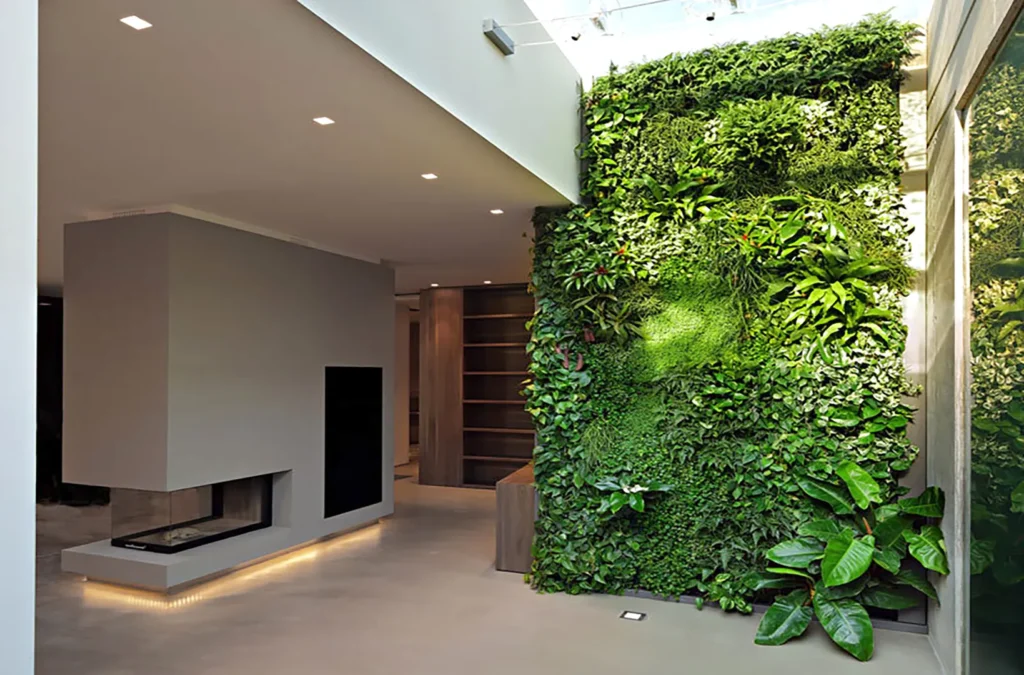
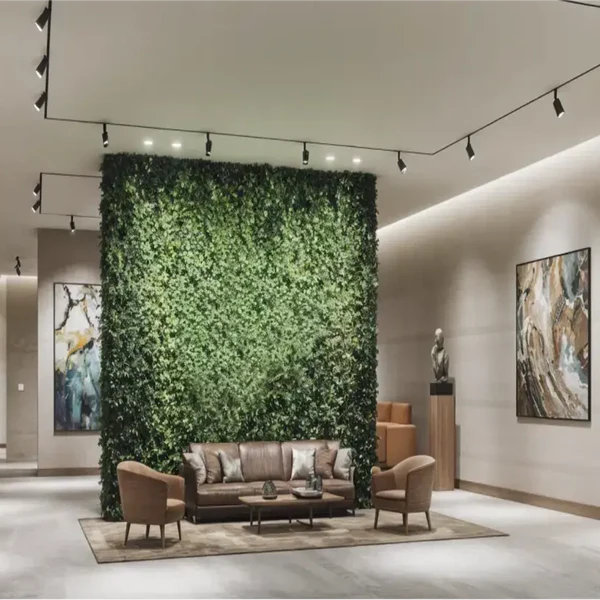
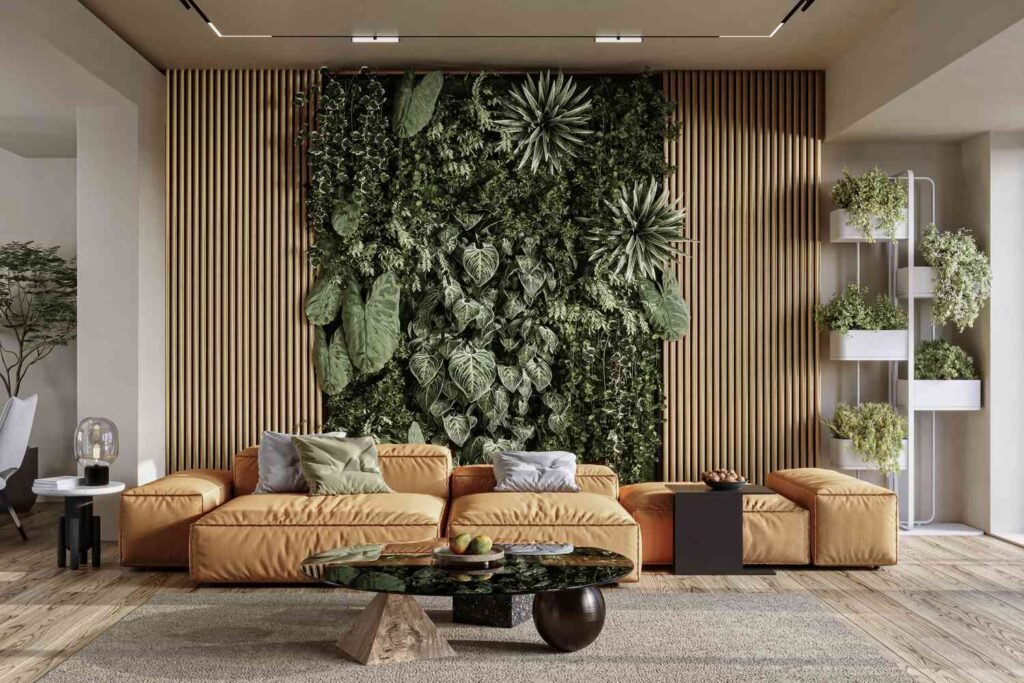
The idea of bringing the outdoors indoors isn’t new—but in 2025 it’s becoming a given. Expect homes filled with green walls, large indoor plants, natural wood finishes, and generous daylight. Designers call this “biophilic design.”
Why it matters:
Make sure there’s natural light, and choose glazing or mirrors to enhance it.
Creates a calmer, healthier atmosphere (plants help purifier, wood/textures lend warmth).
Connects occupants with nature in a world of screens and cities.
How you can apply it:
Position a large potted plant near a window; choose a wall-mounted planter or vertical garden for smaller apartments.
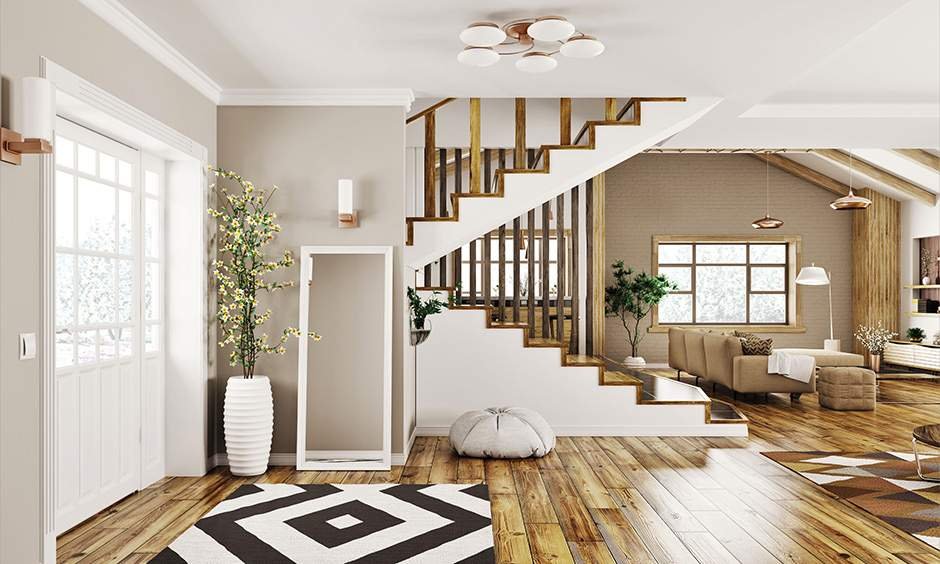
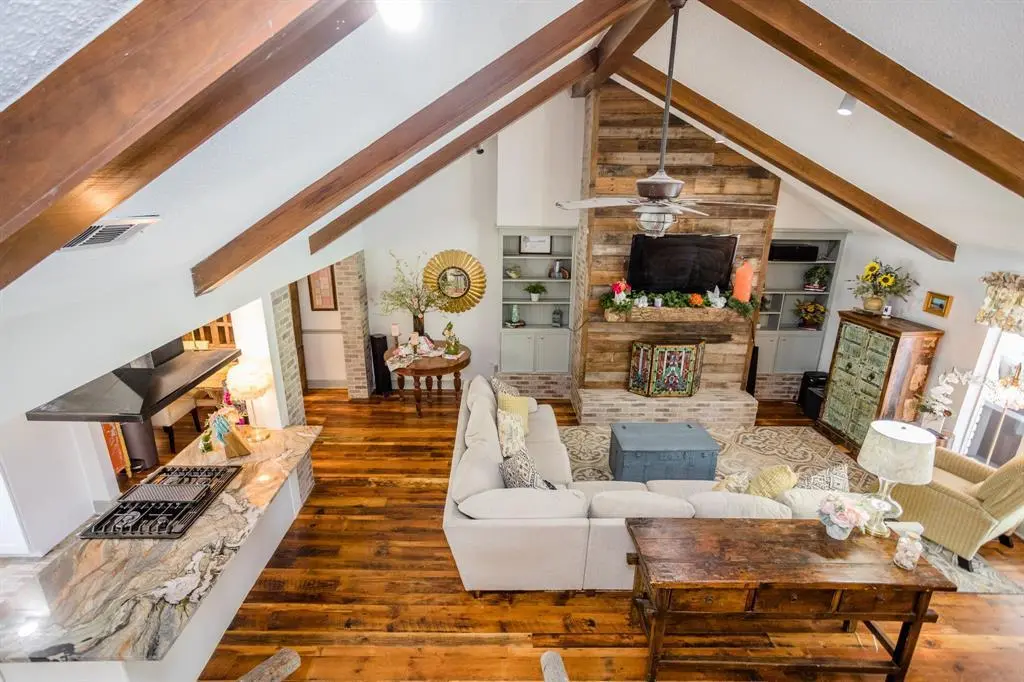
Use wood-grain flooring or paneling in one accent wall rather than full veneer coverings.
2. Earthy Colour Palettes & Warm Textures
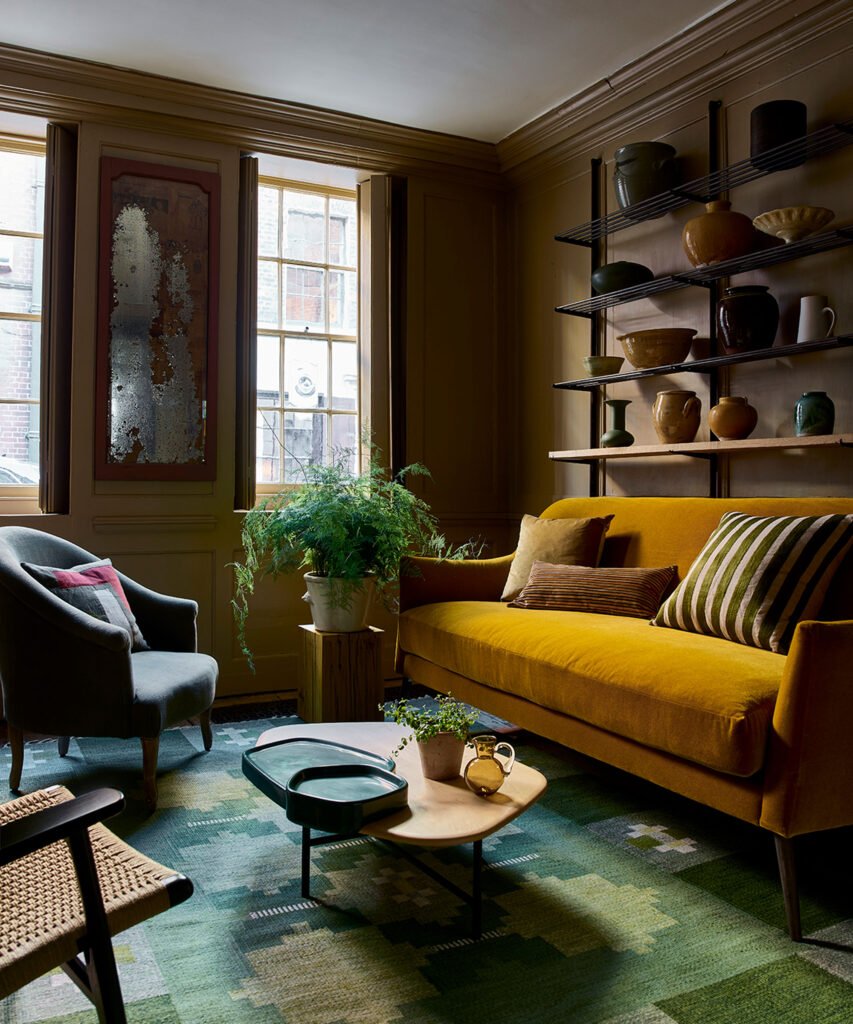
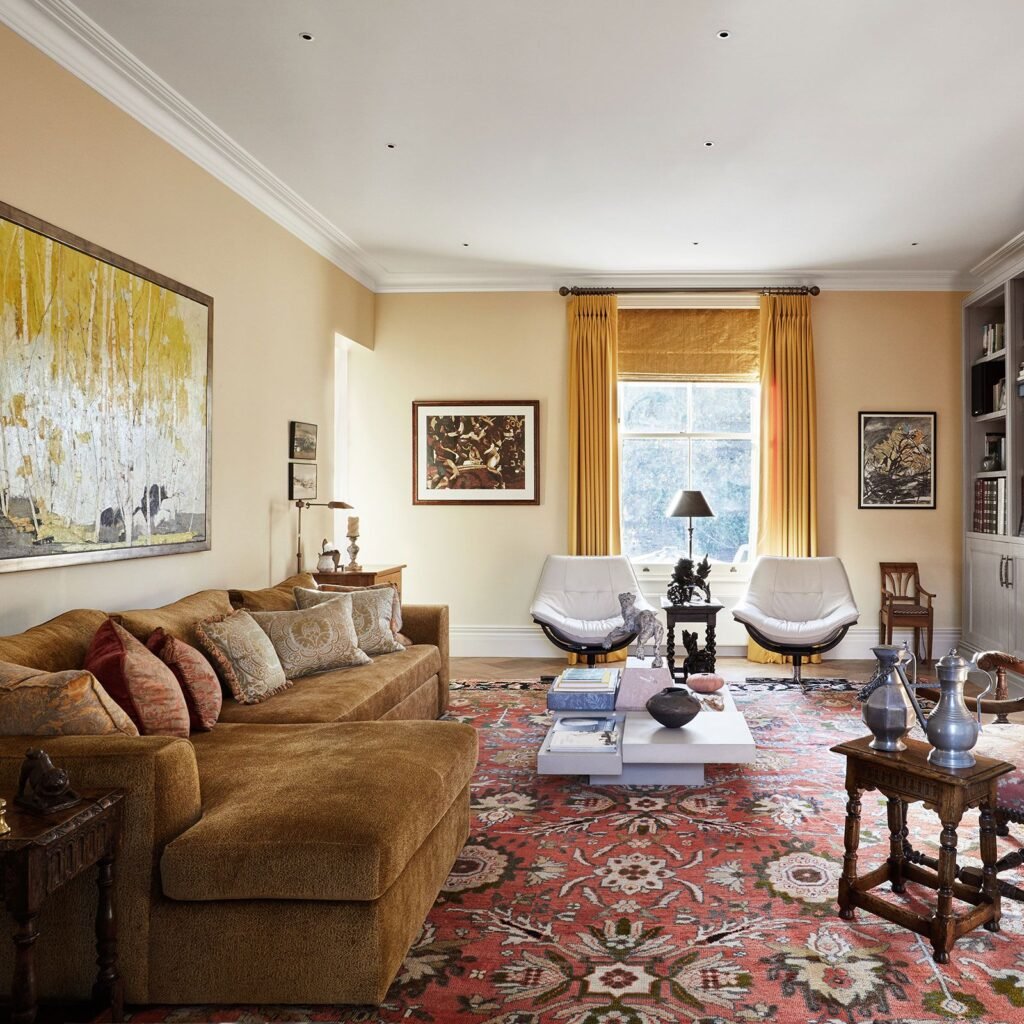
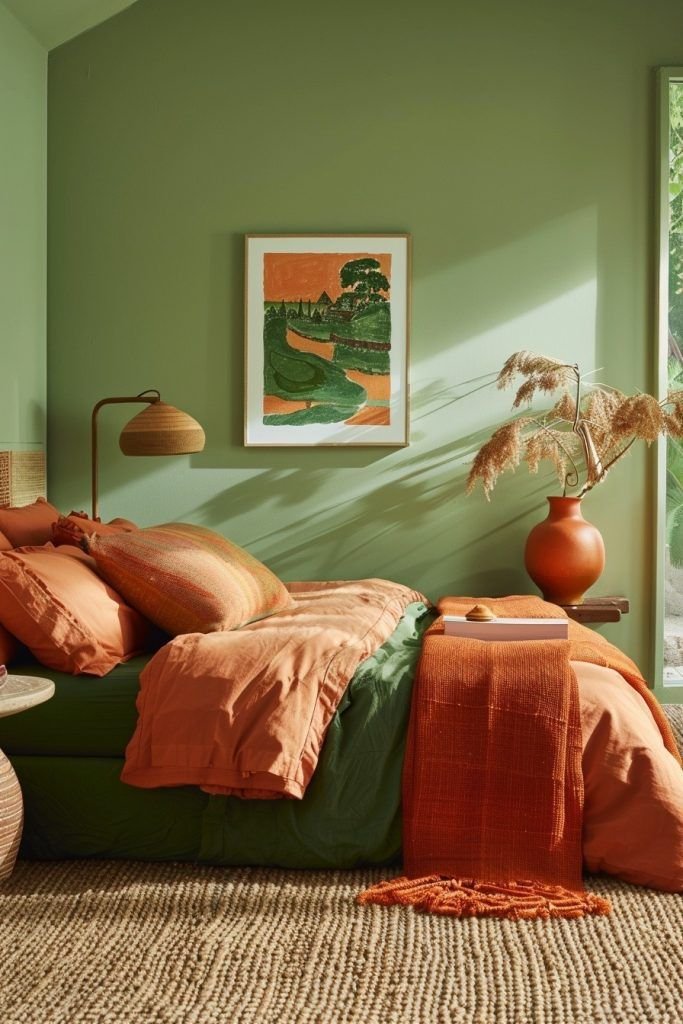
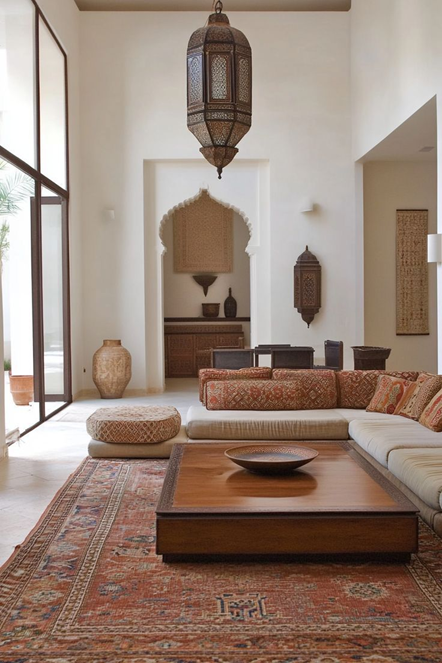
Gone are the days when stark white and cold grey dominated modern interiors. For 2025 the mood is grounded and comforting: terracottas, muted greens, warm ochres, rich browns and soft off-whites
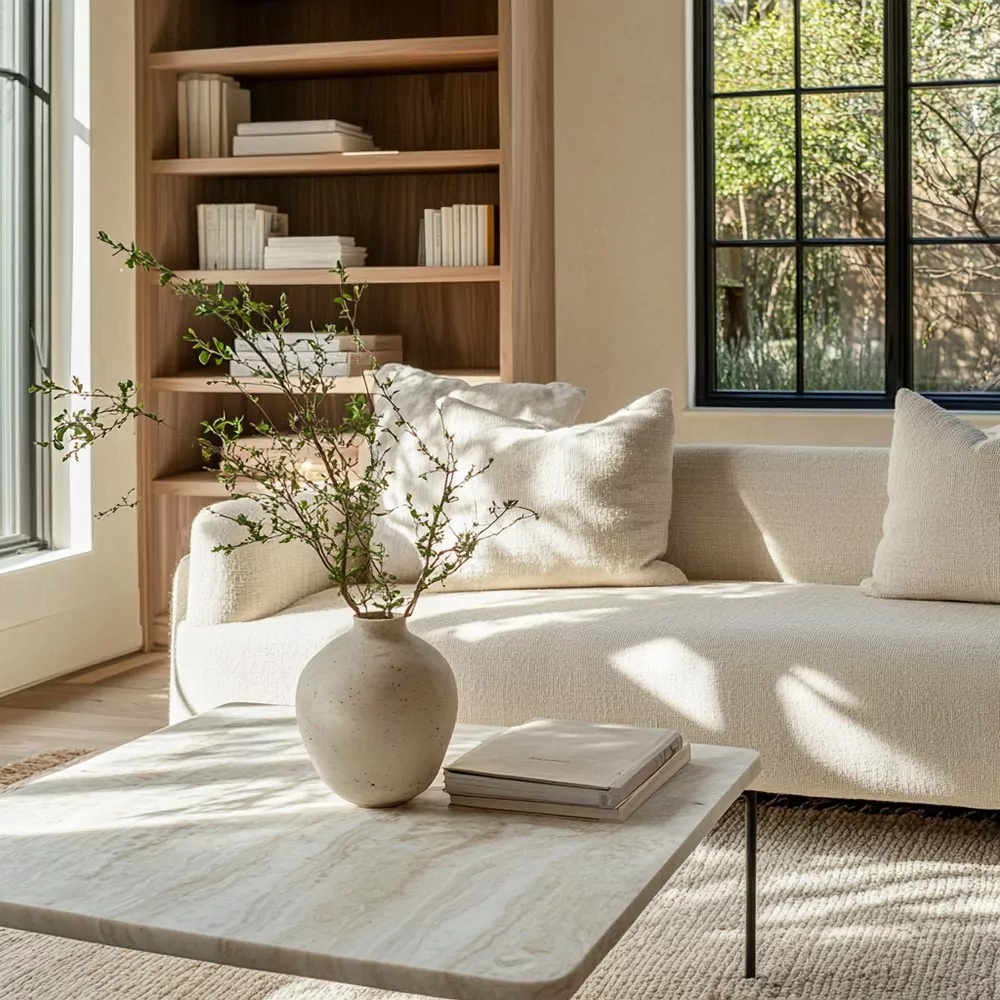
Layering in textures adds depth and that “homey but refined” look. Linens over bouclé sofas, plush rugs over natural wood, tactile wall-finishes with smooth micro-cement.
Tips for homes in Pakistan:
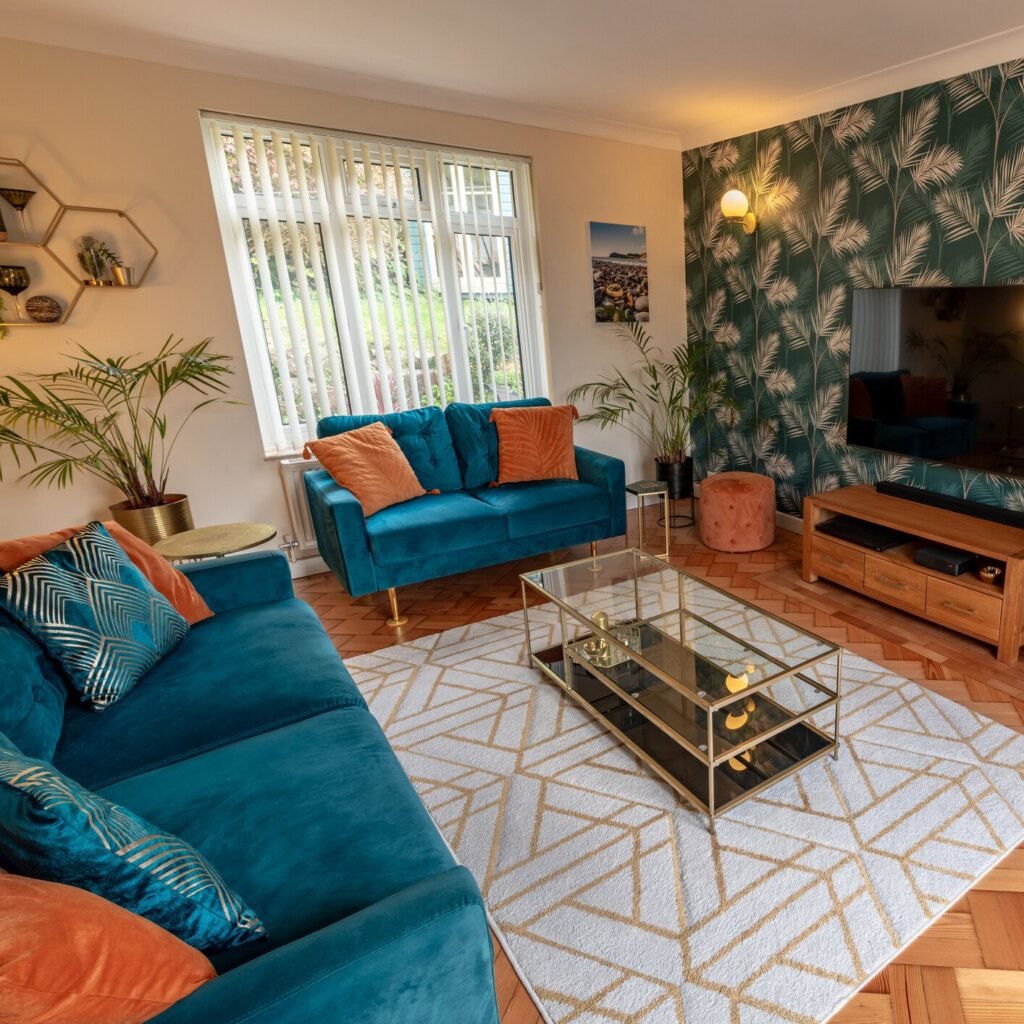
Let one piece of furniture become the anchor: a curved sofa in sage green, say—see how it feels comfortable and sustainable.
Use clay-toned paints for accent walls—especially in spaces that get strong daylight (the warmth helps balance the bright light).
Incorporate a mix of fabrics: a jute rug, linen cushions, a wool throw.
3. Sustainable & Eco-Friendly Materials
This is perhaps the most crucial trend. Choosing materials with minimal environmental impact, long life-span, and healthy indoor effects is now mainstream in interiors for 2025.
Some key material shifts:
Prioritise finishes with low chemical emissions—important especially in our climate where windows are closed much of the year.
Reclaimed wood, recycled metals, bamboo, cork, natural fibres like linen, hemp and organic cotton.
Low-VOC paints and finishes that improve indoor air quality.
Suppliers who supply lifecycle data and certifications (like FSC-wood or carbon-footprint info).
For local projects:
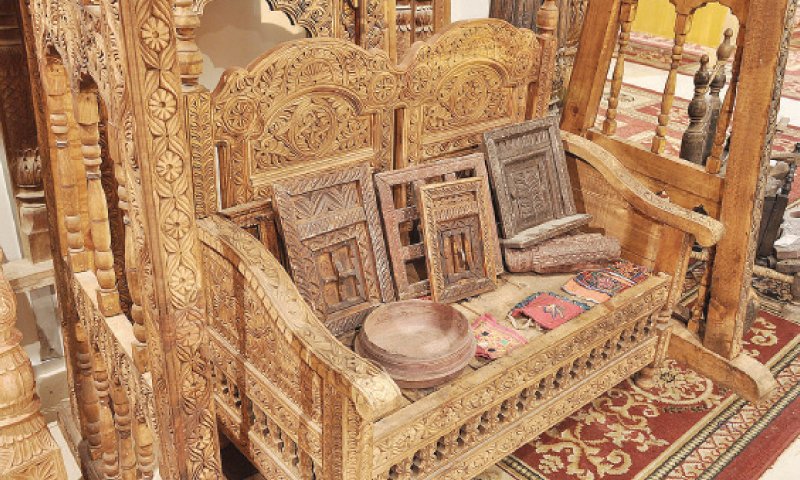
Ask your carpenter or supplier for certified or reclaimed wood options (e.g., old house beams, factory off-cuts).
Use natural fibre upholstery and curtains—linen, cotton, perhaps local hand-woven fabrics.
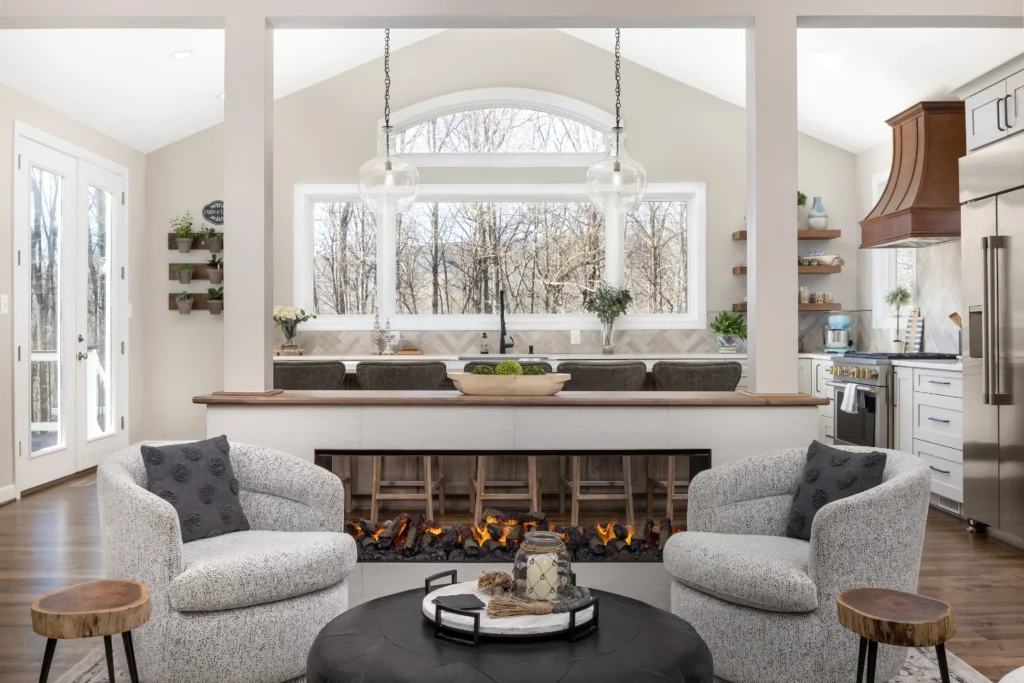
4. Modular, Multifunctional & Circular Design
Space is at a premium in many cities (including Rawalpindi, Lahore & beyond). So 2025 is seeing a shift toward furniture and layouts that adapt, reconfigure, and stay valuable long-term.
What this means:
Choose a design for life—rather than what’s “just for now”.
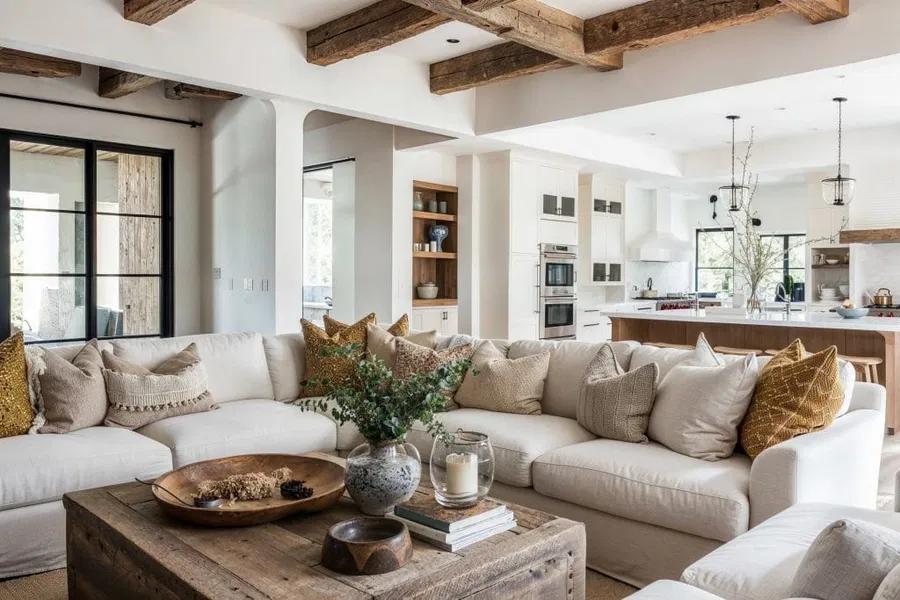
Modular sofas, tables with hidden storage, furniture designed for disassembly and re-use.
Circular thinking: buy well, repair, reuse, repurpose. Avoid the disposable “trend-turnover” furniture cycle.
How to apply:
When selecting a sofa, check if the covers are removable, replaceable.
Use shelving that can change use (workspace one day, living-room display the next).
5. Smart Home Integration with Sustainability
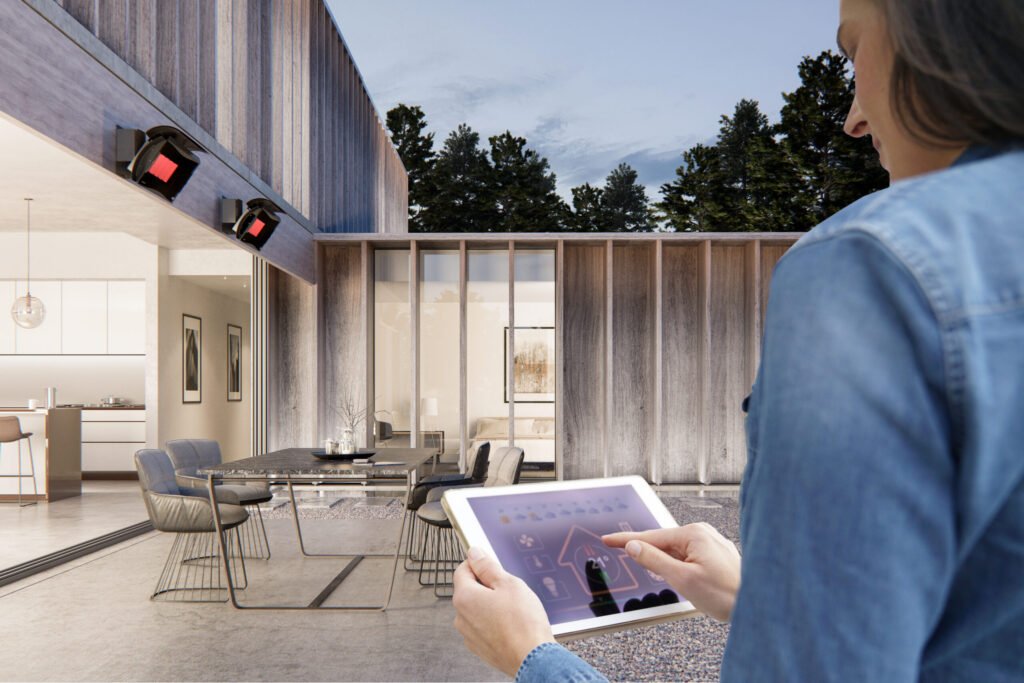
Technology continues to play a role—but the smart home of 2025 is strongly tied to sustainability. It’s not just convenience—it’s efficiency.
Example features:
Energy-efficient appliances, grey-water reuse in bathrooms, integrated smart meters.
While implementing full smart systems may carry cost, even starting with a few elements (smart lighting + efficient HVAC) helps make a difference in long-term utility bills—and supports your sustainability story.
LED and smart lighting systems with timers and motion sensors.
Climate control and ventilation systems that respond to occupancy, daylight or humidity.
6. Colourful Quiet Luxury Meets Sustainability
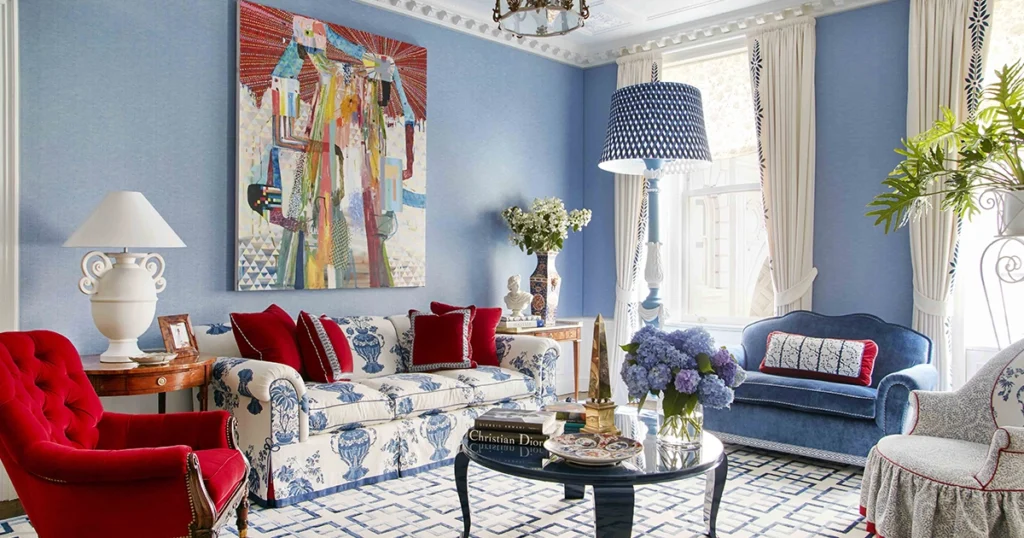
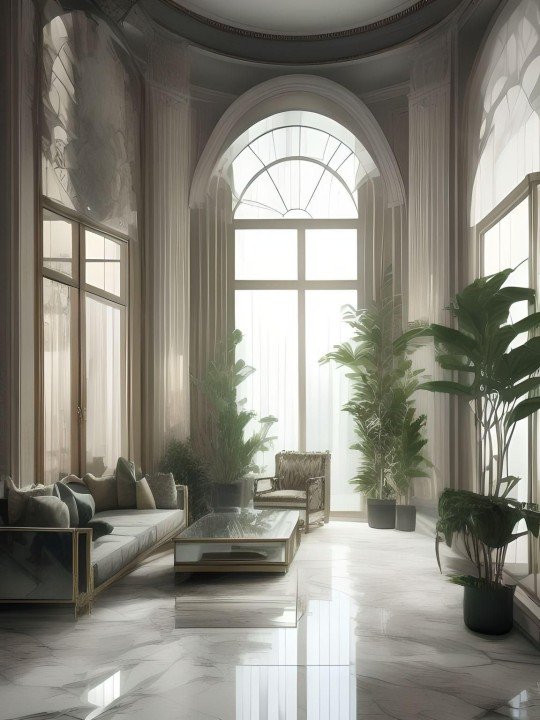
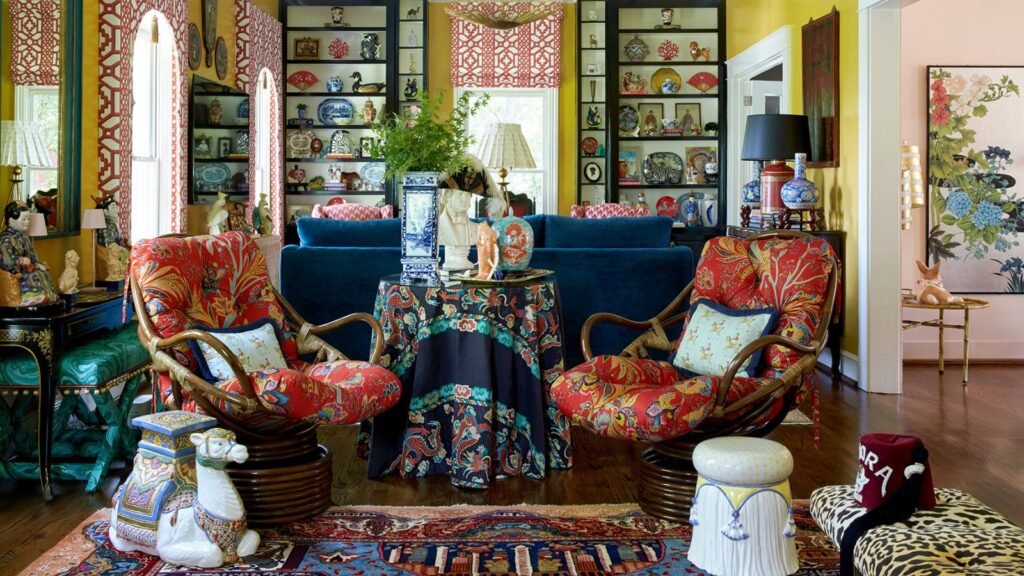
While the spotlight is on sustainability, luxury isn’t being sacrificed—it’s being redefined. Rather than fast fashionable pieces, luxury now means well-made, meaningful, enduring pieces with a sustainable story. This ties into what some experts are calling “colorful quiet luxury.”
In practice:
Think long-term: the piece should stand the test of time and not feel “outdated” next season.
Choose one key luxury piece—say, a handcrafted sideboard or a sculptural light fixture—made from reclaimed brass or sustainably sourced wood.
Pair it with subtle colour accents (like deep olive green or muted mustard) but keep the overall palette grounded.
Why These Trends Matter (and What It Means for You)
In a world where climate change, resource scarcity and health are front of mind, design is evolving beyond aesthetics. These trends matter because:
- Longevity over gimmicks: Rather than chasing fast trends, durable, repairable, high-quality items reduce waste.
- Health & well-being: Sustainable materials, biophilic design and quality air/lighting make a real difference in how we feel in a space.
- Values-based living: Many homeowners want their homes to reflect their values—care for the planet, support local craft, use responsible materials.
- Cost-effectiveness: Good design can pay off in lower energy bills (smart lighting, efficient materials), fewer replacements and better resale value.
For your audience (clients, readers, homeowners), you can position these trends not as “luxury only” but accessible steps they can take—once piece at a time. For example: choose one sustainable material, update the lighting, bring in a plant wall, etc.
Final Thoughts
2025 is shaping up to be a meaningful year for interior design—a year where the why behind our choices matters as much as the what. Sustainable design is not a niche anymore—it’s mainstream. By embracing biophilic elements, earthy palettes, eco-materials, flexible furniture, smart tech, artisan craft, and wellness-centric spaces, you’re creating interiors that feel timeless, personal and responsible.
Whether you’re redecorating a room in Rawalpindi, planning a full home in Lahore, or simply writing a blog for your interior-design products brand, these trends offer real value.
If you’d like, I can also pull together visual mood-boards of these trends specifically for Pakistan (materials available locally, local artisans, cost-effective options). Would that be helpful?